
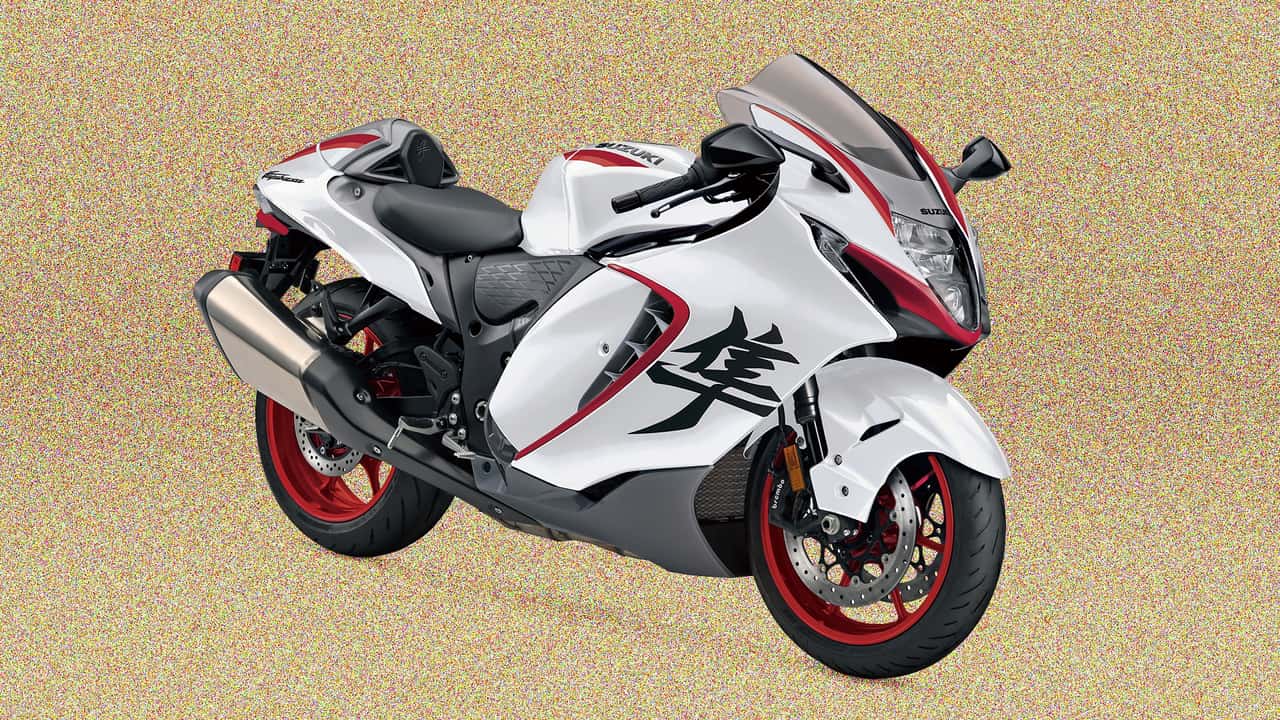
Is Suzuki Stuck on the Hayabusa’s Future?
The Hayabusa remains a legend, but its future raises hard questions about identity, relevance, and whether Suzuki can evolve an icon without losing what made it special.
Few motorcycles carry the cultural weight of the Suzuki Hayabusa. Its name still signals speed, status, and a larger-than-life place in motorcycling history. But legends bring their own pressure, and the Hayabusa’s future now invites a difficult question: can an icon keep moving forward without becoming trapped by its own reputation?
Based on the source material, that tension is exactly what sits at the center of the current discussion. The Hayabusa is described as legendary, yet there is also a suggestion that the legend may be fading with each passing year.
An Icon With a Heavy Legacy
The Hayabusa’s strength has long been its identity. It is not just another sport machine or another big-displacement road bike; it is a motorcycle that built a myth around itself. That kind of status is rare, but it can make change harder.
When a model becomes inseparable from its own history, every update is judged against memory as much as performance. That can leave a manufacturer balancing two competing goals:
- Preserve the qualities riders associate with the name.
- Adapt the bike to what modern riders and markets now expect.
Is the Legend Becoming a Limitation?
The source raises the possibility that the Hayabusa may be a victim of its own legend. That framing matters because it suggests the challenge is not simply technical or commercial. It is also philosophical.
If the Hayabusa changes too much, it risks losing the character that made it famous. If it changes too little, it risks feeling increasingly disconnected from the present. For any long-running flagship, that is a familiar problem, but for a motorcycle as storied as the Hayabusa, the stakes feel higher.
The Hayabusa remains legendary, but the question is whether that legend is growing stronger or gradually fading year by year.
Why This Question Matters
For enthusiasts, the Hayabusa’s future is about more than one model line. It reflects a broader issue in motorcycling: how legacy machines survive in a market that constantly demands reinvention.
The conversation around the Hayabusa points to several bigger themes:
- Brand identity: Some motorcycles define a manufacturer’s image far beyond sales numbers.
- Modern relevance: Even celebrated machines must continue to justify their place in a changing landscape.
- Expectation vs. evolution: The more iconic a motorcycle becomes, the harder it is to update without controversy.
The Road Ahead for Suzuki
With the limited source details available, it would be premature to predict Suzuki’s exact next move. What is clear is that the Hayabusa remains important precisely because it still inspires this kind of debate. Bikes that no longer matter do not prompt questions about their future.
That leaves Suzuki facing a delicate task: protecting one of motorcycling’s most recognizable names while proving that it still has a meaningful place in the years ahead. Whether that means refinement, reinvention, or simply a clearer long-term direction, the underlying issue is the same: a legend must keep evolving if it wants to remain more than a memory.