Three fresh motorcycle talking points: sportbikes, icons, and two-wheel culture
From Aprilia’s RS660 Factory to Harley-Davidson’s revived Super Glide and Vespa’s coffee-table cred, these recent features highlight how performance, heritage, and lifestyle still shape motorcycling.
Recent motorcycle features point to a familiar truth: riders are drawn not only to performance, but also to identity, heritage, and the stories machines carry with them. Across a small set of recent feature-style pieces, three themes stand out clearly—middleweight sportbikes built for real use, classic names returning at the right moment, and enduring cultural icons extending beyond the road.
A middleweight sportbike aimed at real riders
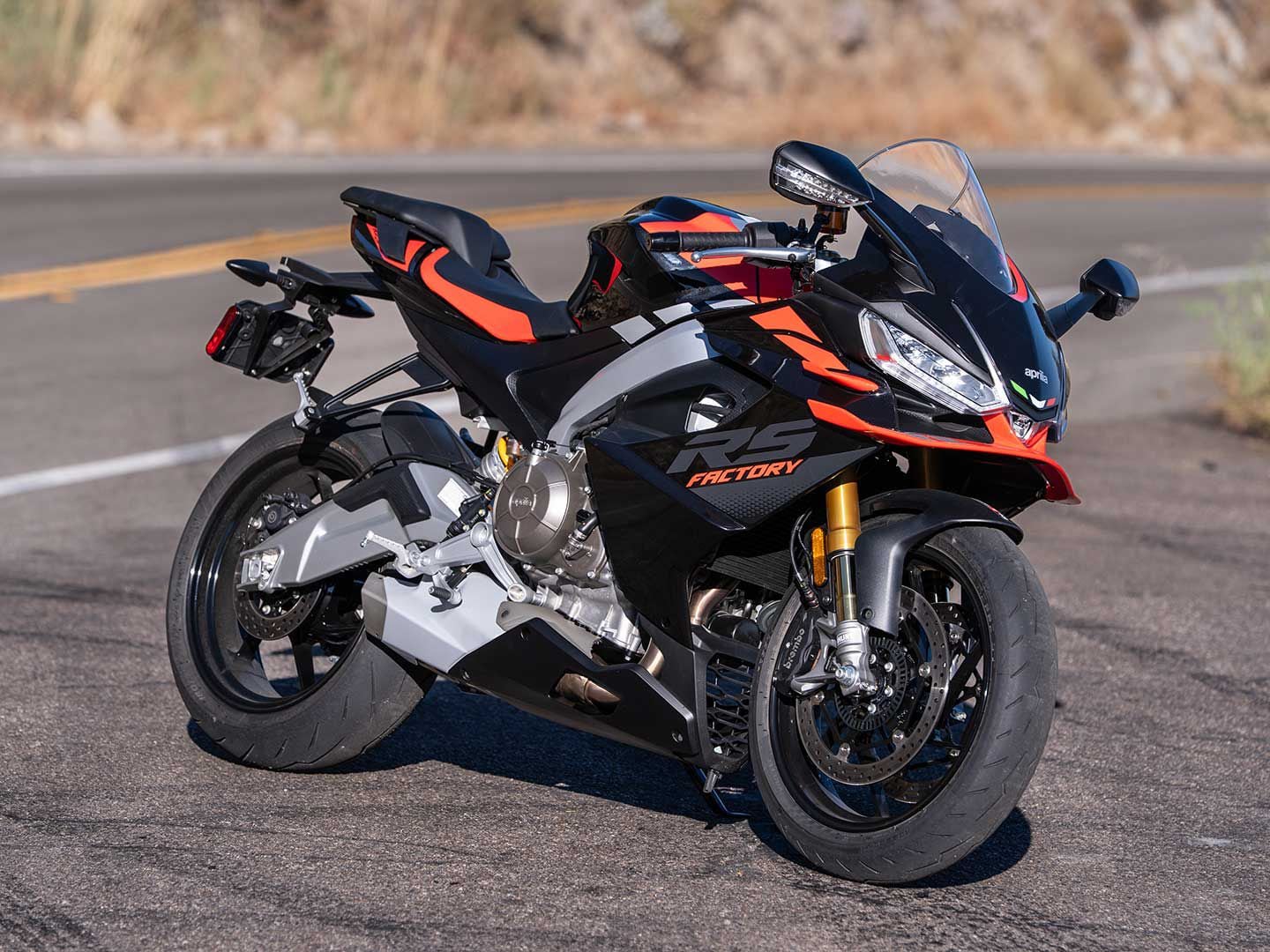
One of the clearest practical themes comes from the Aprilia RS660 Factory. In the source material, the bike is framed as a middleweight sportbike that combines real-world comfort, sharp handling, and refined electronics. Just as importantly, it is described as being enjoyable for both commuting and trackdays.
That combination says a lot about where the modern sportbike conversation continues to move. Riders increasingly want a machine that feels special without becoming too narrow in its mission. A bike that can handle a weekday ride and still feel alive in a more spirited setting often lands in a sweet spot many enthusiasts actually use.
- Comfort remains part of the performance equation.
- Handling still matters, but not at the expense of everyday usability.
- Electronics are now expected to feel polished rather than intrusive.
The RS660 Factory is presented as a bike that balances daily livability with genuine sporting appeal.
Harley-Davidson revisits an icon
At the other end of the spectrum, Harley-Davidson’s Super Glide return highlights the staying power of legacy nameplates. The source article positions the bike as the comeback of an icon and suggests the timing feels right.
Even in a short scrape, that message is easy to read: heritage still has commercial and emotional value. When manufacturers bring back familiar names, they are not just selling specifications. They are reconnecting riders with memories, eras, and design language that still resonates.
For many brands, this is a balancing act. A revived model must feel authentic enough to satisfy long-time fans while still appearing relevant to newer riders. In feature coverage, that tension is often exactly what makes a motorcycle worth discussing.
Why these revivals matter
- They reinforce brand identity.
- They invite comparison between past and present.
- They often reach beyond existing owners to enthusiasts who simply admire the history.
Vespa and the power of motorcycle culture
Vespa’s 80-year story, highlighted through a book-focused feature, points to another side of motorcycling altogether. The source emphasizes that Vespa began as a practical post-war mobility solution, but over decades became a style icon.
That evolution is important because it shows how some two-wheel brands transcend transport. A motorcycle or scooter can become shorthand for a lifestyle, a visual identity, or even a design philosophy. When that happens, the machine’s significance extends well beyond rider demographics and spec sheets.
In other words, two-wheel culture is not only about riding. It is also about how certain vehicles occupy space in fashion, publishing, design, and memory.
Vespa’s appeal illustrates how a practical machine can grow into a lasting cultural symbol.
What ties these stories together
Although these feature pieces focus on very different machines and audiences, they connect through a shared idea: motorcycles matter most when they offer more than one reason to care.
- The Aprilia speaks to versatility and modern performance.
- The Harley-Davidson leans into heritage and emotional connection.
- The Vespa reflects the cultural reach of two-wheel design.
Taken together, they show why feature coverage remains valuable. It helps place motorcycles in context—not just as products, but as expressions of how people ride, what they admire, and what they want their machines to say about them.