
What Today’s Feature Stories Say About Motorcycling in 2026
From a revived Harley icon to a still-relevant Piaggio scooter concept and a wave of fresh models, today’s feature stories point to a broad, style-rich motorcycle market in 2026.
Today’s motorcycle feature coverage paints a clear picture of 2026: the market is not moving in just one direction. Instead, it is expanding across heritage, practicality, performance, and plain old variety.
Based on the available feature-source excerpts, three themes stand out. Established names are leaning on legacy, scooters are getting a fresh look as smart everyday machines, and the wider new-bike market appears full of options for riders with very different priorities.
Heritage Still Has Strong Pull
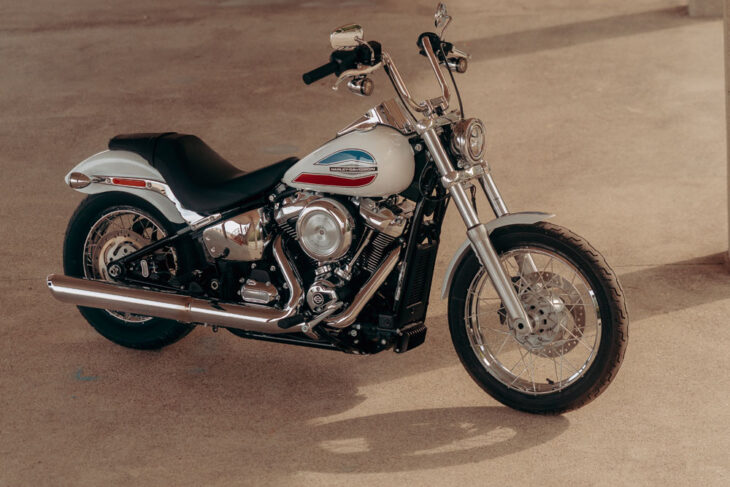
One of the clearest examples is Harley-Davidson’s return of the Super Glide. Even from the limited scrape data, the angle is obvious: the model is being presented as an iconic nameplate revived in celebration of America’s 250th. That suggests more than a simple model update—it points to the continued value of history and identity in motorcycling.
Harley-Davidson revives the iconic Super Glide in celebration of America’s 250th.
For riders, that kind of move reinforces a familiar truth: motorcycles are never just transportation. Names, lineages, and cultural associations still matter, especially when manufacturers want to connect new products with long-standing brand mythology.
Practical Bikes Are Not an Afterthought
At the other end of the spectrum, Piaggio’s Beverly 25th Anniversary story highlights something equally important: sensible machines can have lasting design value. The source framing describes the scooter as a reminder of who “got the crossover formula right first,” which suggests its original concept still feels relevant today.
That is notable because it reflects a broader motorcycling reality. Riders are not only chasing peak power or track credibility; many are also looking for versatility, ease of use, and urban practicality. A scooter that still makes sense 25 years later says a lot about how durable good design can be.
- Practicality remains a core part of the motorcycle conversation.
- “Crossover” thinking is not new, but it continues to resonate.
- Anniversary editions can serve as both nostalgia pieces and proof of concept.
The New-Bike Market Looks Broad and Active
A wider roundup of 13 new motorcycles reinforces the sense that riders have choices across multiple styles. While the scrape does not list individual models, it does make one point clearly: whether a buyer wants to ride dirt, choose a sportbike, or cruise, there is no shortage of fresh machinery arriving now.
There’s no shortage of exciting releases.
That breadth matters. It suggests a healthy spread of product development rather than a market narrowing around one dominant trend. For enthusiasts, this is encouraging: the industry appears to be serving multiple kinds of riders instead of forcing everyone toward the same template.
What These Features Suggest
- Retro and heritage positioning remain powerful sales and storytelling tools.
- Urban and practical two-wheelers still deserve serious attention.
- Manufacturers are continuing to support diverse segments, from cruisers to scooters to sport-oriented machines.
A Snapshot of Motorcycling’s Current Mood
If there is a common thread tying these feature stories together, it is variety with purpose. One story looks backward to celebrate an iconic American badge. Another shows how an old scooter idea can still feel smart. A third points to the sheer range of new motorcycles entering the conversation right now.
That combination makes 2026 feel less like a year defined by a single trend and more like one shaped by coexistence: style and utility, emotion and function, legacy and fresh product churn all moving at once.