
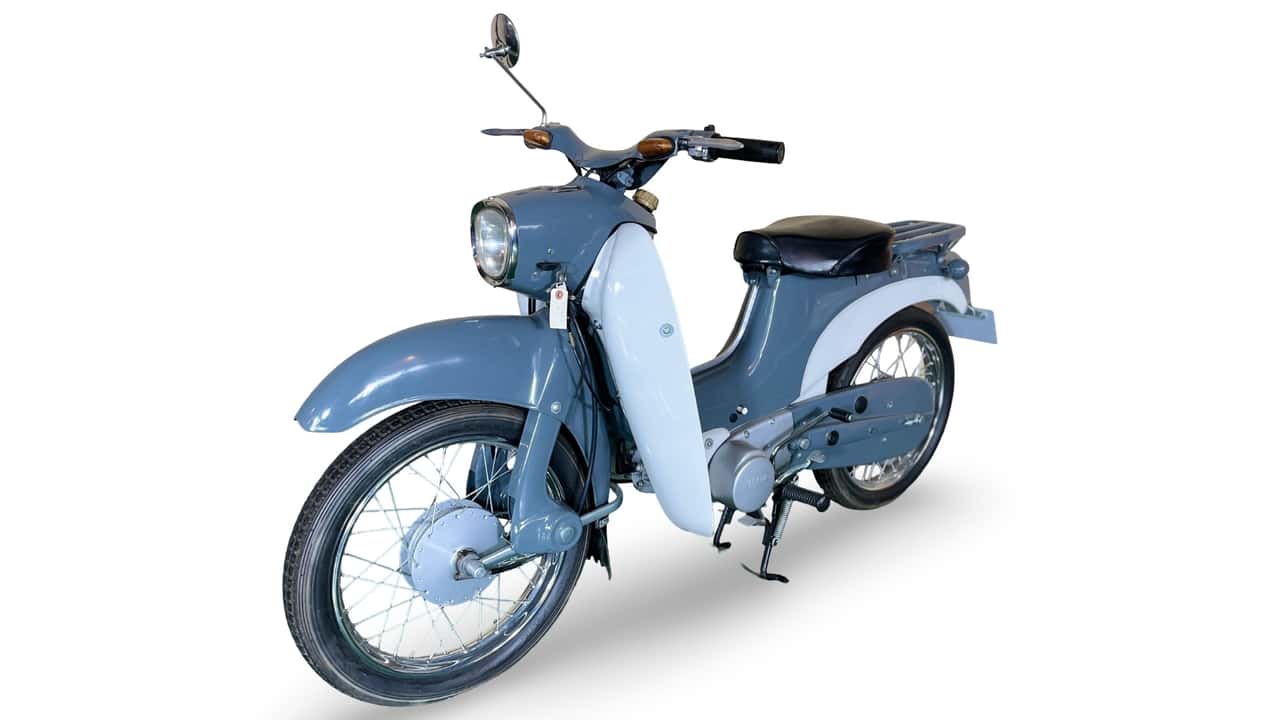
Yamaha’s MF-1: The Other Step-Through Shaped by the Super Cub Era
A brief look at Yamaha’s MF-1, a lesser-known step-through that emerged after the Super Cub changed Japan’s motorcycle market.
Honda’s Super Cub is the machine that usually dominates any conversation about practical small-displacement motorcycles in postwar Japan. But it didn’t reshape the market in isolation. As competitors reacted to the Super Cub’s success, Yamaha developed its own answers to the new demand for simple, approachable transport.
One of those responses was the Yamaha MF-1, a model highlighted in a recent RideApart feature as a fascinating alternative-universe counterpart to the Super Cub story.
A rival born in the Super Cub’s shadow
According to the source article, Yamaha’s MF-1 arrived in the wake of Honda’s hugely influential Super Cub launch, when other manufacturers were forced to rethink what everyday motorcycling could look like. The appeal was clear: lightweight, easy-to-use machines that could reach a far broader audience than traditional motorcycles.
After Honda turned Japan on its head with the introduction of the Super Cub, competitors like Yamaha had to come up with their own versions.
That framing makes the MF-1 interesting not just as a product, but as a marker of how quickly the industry responded when the definition of a mass-market motorcycle began to change.
Why the MF-1 still matters
Even from a thin scrape, the appeal of the MF-1 is easy to understand. It represents a moment when the motorcycle industry was actively experimenting with familiar ideas in new forms, trying to capture riders who valued accessibility and everyday usability.
- It reflects the competitive pressure created by the Super Cub’s success.
- It shows Yamaha’s attempt to interpret the step-through formula in its own way.
- It stands as a reminder that motorcycle history includes plenty of influential near-forgotten side roads, not just the bestselling headline acts.
A feature-worthy footnote in small-bike history
For enthusiasts who enjoy uncovering obscure machines, the MF-1 offers exactly the kind of historical what-if that makes motorcycle culture so rich. It may not be a Super Cub, but that is precisely the point: it helps tell the broader story of how one landmark bike pushed rivals to innovate, adapt, and chase the same new audience.
Sometimes the most revealing motorcycles are not the obvious icons, but the ones that show how the rest of the industry reacted when the rules changed.